What Is Dubbing | Everything About Voice Replacement
Have you ever wondered how your favorite movie speaks your language so perfectly? That’s the magic of dubbing. Dubbing is a widely used technique in the film, television, and online video industry. Still, many people are unsure of what it truly entails. Preferences for dubbing can vary greatly between countries and cultures, influencing how films, shows, and other content are experienced by audiences. In this post, we will explain what dubbing is, how it is done, and the different types and techniques used in the industry. Additionally, we will cover the history, challenges, and modern applications of dubbing. By the end, you will gain a comprehensive understanding of how dubbing works, its importance, and how it helps make content more accessible.
Part 1. What is Dubbing?
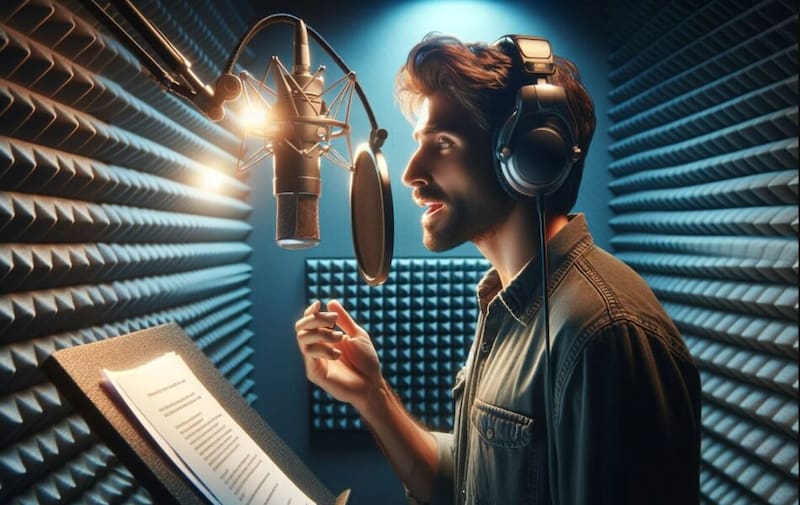
As we begin, let us first define dubbing. Dubbing is the process of replacing a video’s original dialogue with a translated voice track. This is done so viewers in different countries can understand the content in their own language. In dubbing, voice actors or AI voices read a translated script, matching the timing, tone, and emotions of the original characters. The audio is also synced with the character’s lip movements to make it look natural on screen.
Many people mix up dubbing and captions. Get the full scoop on what a caption is here.
Part 2. Common Types of Dubbing
After understanding what dubbing is, let's move forward with the common types of dubbing. Knowing these types helps you choose the right method for your project. With that in mind, let us now move forward with the most common types used today.
Lip-Sync Dubbing
Lip-sync dubbing is the most commonly used form, especially in movies intended for international distribution. In this method, voice actors record lines that closely match the lip movements, timing, and expressions of the characters on screen.
Voice-Over Dubbing
Voice-over dubbing is frequently employed in documentaries, interviews, news reports, and educational videos. Instead of matching lip movements, the new voice track is placed over the original audio. The focus is more on understanding the message rather than perfect synchronization.
ADR Dubbing
ADR, or Automated Dialogue Replacement, is used to re-record dialogue that cannot be heard clearly or requires improvement. This is common in filmmaking when background noise, technical issues, or script changes affect the original audio.
AI Dubbing
What is AI dubbing? It is a modern method that uses artificial intelligence to generate new voice tracks. AI can clone voice styles, produce translations, and automatically sync dialogue with lip movements. This makes the dubbing process faster, more affordable, and accessible. You can use CapCut’s Text-to-Speech to generate a dub from text.
Part 3. History of Dubbing
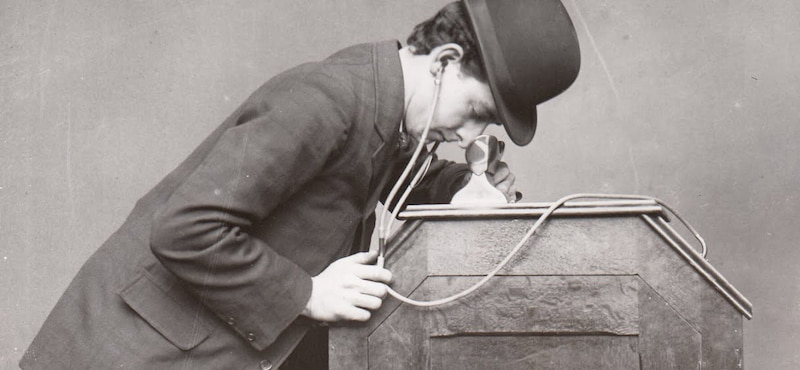
Dubbing began as a solution to the challenges of adding sound to motion pictures in the early days of cinema. In 1895, filmmakers first tried to match sound with film, but the technology remained limited. Early inventions, such as Thomas Edison’s Kinetophone, gradually helped improve the synchronization of sound and pictures.
The real change occurred in the 1920s and 1930s with the introduction of new systems, such as Lee De Forest’s Phonofilm and Warner Bros.’ Vitaphone. These allowed soundtracks to be recorded and played back with the film more easily. By the early 1930s, filmmakers were regularly recording voices separately and matching them to the film later.
Part 4. Applications of Dubbing
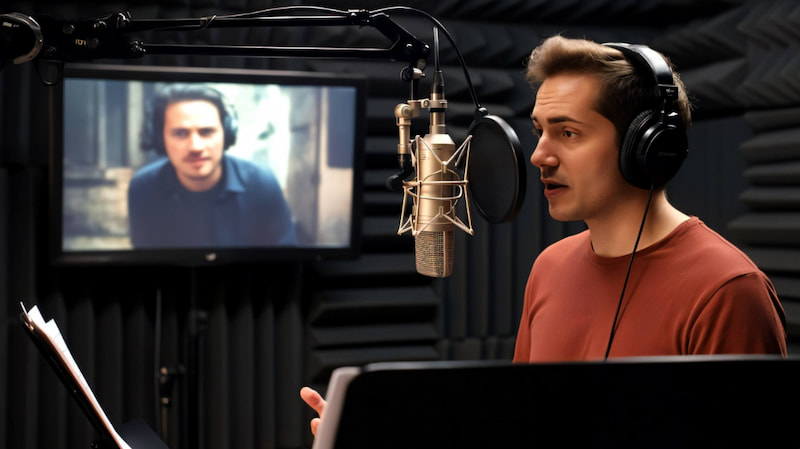
Dubbing definitions extend beyond movies and TV, encompassing interactive entertainment, learning, and information sharing. Here are the main areas where dubbing plays a crucial role:
Film and Television: In the film and television industry, dubbing is essential for reaching international audiences. Movies and TV shows are often translated into multiple languages to maximize viewership and revenue. Lip-sync dubbing is commonly used here to match the actors’ mouth movements and expressions.
Video Games and Animation: Dubbing is also used in video games and animated content. In games, characters’ dialogue is dubbed to provide an immersive experience. It also ensures players understand the story and instructions in their language. Animation often relies on dubbing to bring characters to life while preserving humor, emotion, and timing.
Educational and Documentary Content: Dubbing is increasingly used in educational videos, documentaries, and online learning materials. Voice-over or voice dubbing is commonly applied, allowing viewers to understand the content in their native language. This makes learning more accessible, especially in multilingual regions or for international students.
Part 5. Famous Dubbing Cases
Classic Hollywood Cases
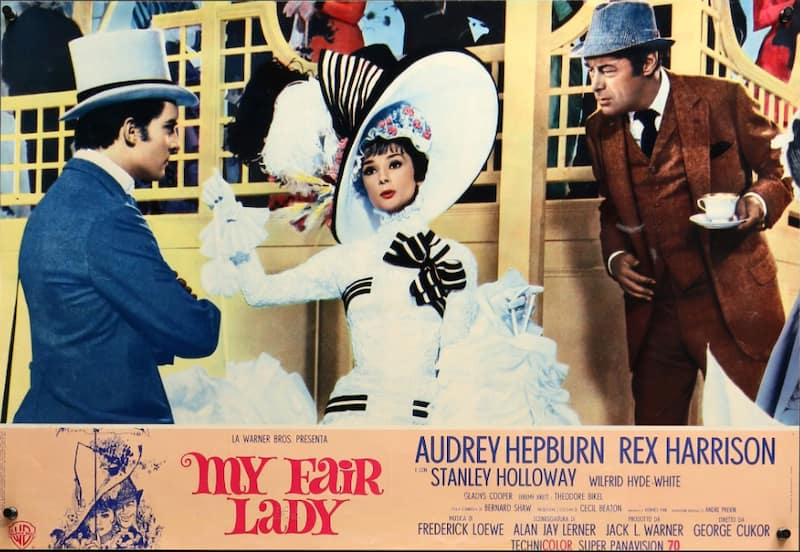
The famous dubbing controversies involved Audrey Hepburn in My Fair Lady in 1964. Although Hepburn played Eliza Doolittle on screen, her singing was dubbed by Marni Nixon. Nixon’s vocals were used to match Hepburn’s performance, creating a seamless but debated result.
Modern & International Hits

Bong Joon-ho’s Parasite (2019), a Korean-language film, achieved global success, in part due to a high-quality English dubbing. The dub helped international audiences access the story without relying on subtitles, which contributed to the film’s historic Oscar wins.
Actors Who Dub Themselves:
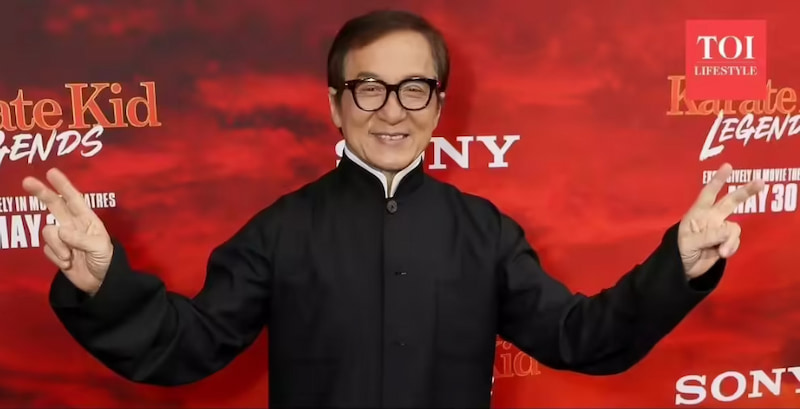
Jackie Chan became famous for performing in multiple languages. Chan often dubs his roles in English, Mandarin, and Cantonese, allowing his signature voice and comedic timing to reach diverse audiences. Some actors choose to dub their own performances to maintain authenticity.
There are also AI tools, such as Speechify, that can clone voices and translate them into different languages.
Part 6. Challenges of Dubbing
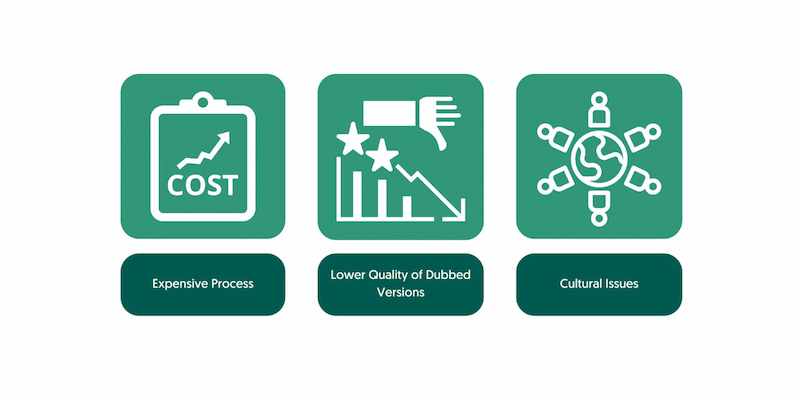
Producing high-quality dubbed content involves more than just translating words. It requires careful attention to timing, performance, and cultural context. Understanding dubbing challenges is essential for creating dubbed content that feels natural and true to the original performance.
Expensive Process: Traditional dubbing is a resource-intensive process. It involves hiring translators, voice actors, directors, and audio engineers, along with multiple rounds of recording and review. For large projects or releases in multiple languages, these costs can quickly add up.
Lower Quality of Dubbed Versions: If the dubbing is poorly synchronized, it can break the audience’s immersion and make the performance feel unnatural. Achieving precise timing and maintaining the original acting’s emotion requires skilled voice actors and careful editing.
Cultural Issues: Literal translations often fail to capture local idioms, humor, or cultural references. Effective dubbing goes beyond word-for-word translation. It requires adapting the dialogue so it feels natural and resonates with the target audience.
Part 7. What Makes a Good Dubbing
Creating a good dub is both a creative and technical process that requires talent, time, and careful coordination. Producing a high-quality dub for a feature-length film can take weeks to months, encompassing all the necessary tasks.
- Find skilled performers and directors who can deliver voices that match the characters’ emotions, tone, and timing.
- Experienced dubbing professionals know how to synchronize dialogue with lip movements.
- The dubbed voices must blend seamlessly with background music, sound effects, and ambient noise.
- Properly mixed audio ensures that the dub does not feel detached or artificial.
Part 8. Low-Cost Dubbing Tools
Adobe Audition CC
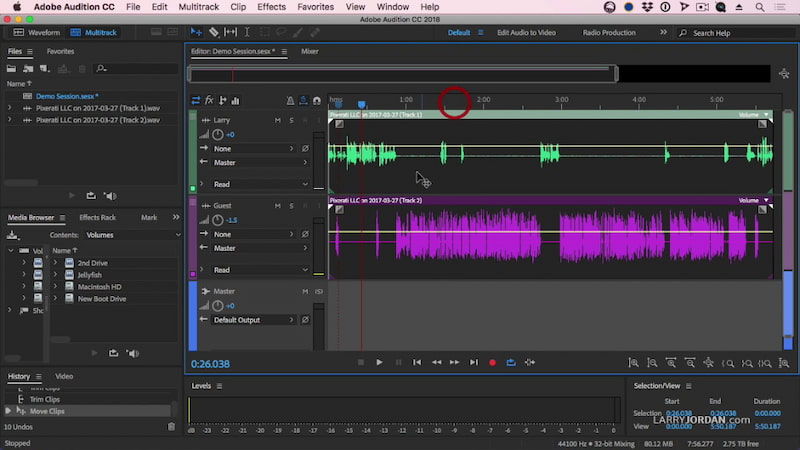
Adobe Audition CC is a professional-grade audio editing software used in film, television, and online video production. It allows you to edit, mix, and enhance voice recordings for dubbing projects. You can insert audio tracks into video clips, apply sound effects, reduce noise, and perform audio restoration. It also includes tools for adjusting tone, pitch, and timing.
WavePad
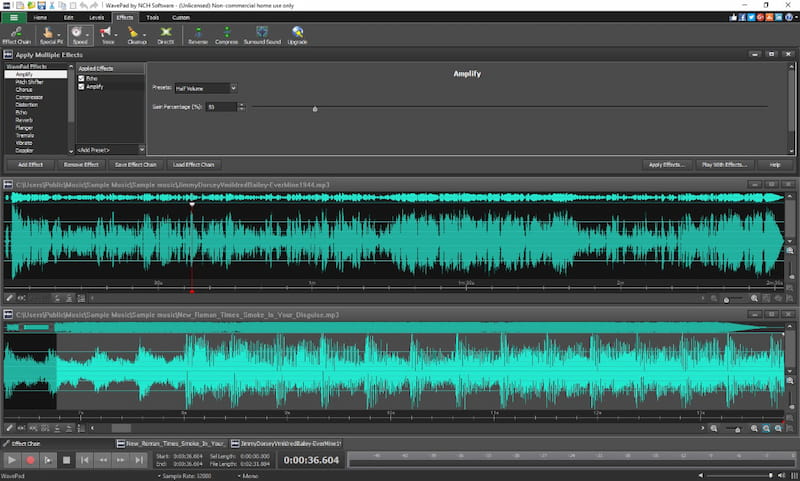
WavePad is an audio editing program that supports various audio formats, including MP3, WAV, WMA, etc. It allows you to record, edit, reduce noise, restore old recordings, and apply multiple audio effects. It has a bookmark function that helps keep track of progress and ensures you never lose your place in the timeline. This feature is ideal for longer dubbing projects.
Magix Music Maker
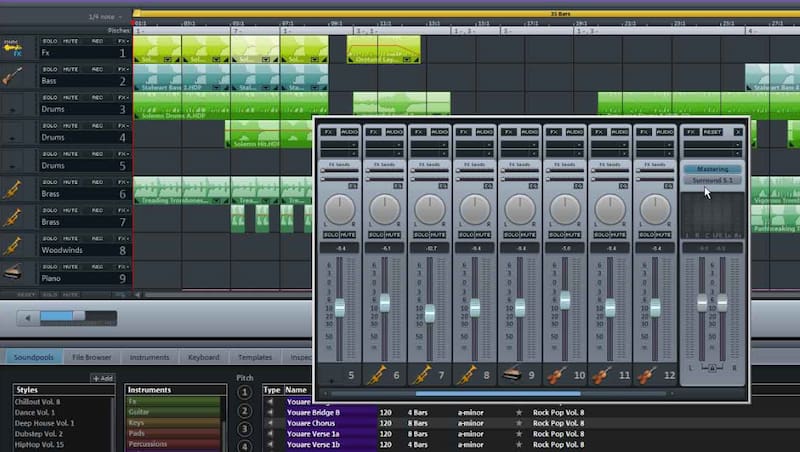
Magix Music Maker is designed for those new to audio mixing, but still powerful enough for professional use. It offers tools that enable you to record, mix, and enhance audio tracks efficiently. It is particularly good for experimenting with effects, layering tracks, and producing high-quality voiceovers for videos and animations.
Part 9. FAQs about Dubbing
Q: What is dubbing in film?
A: In film, dubbing is the process of replacing the original spoken dialogue with a new recording in another language. This is done in post-production to ensure clarity, correct accents, or translate the film for international audiences.
Q: What’s the difference between dubbing and voice-over?
A: Dubbing replaces the original dialogue entirely with a new voice. It aims to make it appear as if the characters are speaking the new language naturally. Meanwhile, voice-over usually places the new narration or dialogue on top of the original audio.
Q: What is the difference between sub and dub?
A: Subtitles display the translated text of dialogue on-screen while the original audio remains. This allows viewers to hear the actors’ original voices. On the other hand, dubbing replaces the original audio with a translated voice track. This enables viewers to track, so viewers hear the dialogue in their native language instead of reading it.
Q: What is AI dubbing?
A: AI dubbing is the use of artificial intelligence to generate new voice tracks for video content automatically. It can translate dialogue, create synthetic voices, and even synchronize speech. AI dubbing speeds up the process, reduces production costs, and enables creators to quickly produce multiple language versions of a project.
Conclusion
In conclusion, dubbing can be understood as the process of replacing the original dialogue in a video to make it accessible to different languages. It is a crucial technique in film, television, animation, and other related content. It allows viewers to fully enjoy the story without language barriers. Understanding what dubbing is highlights its importance in delivering engaging, culturally relevant, and immersive experiences for audiences around the world.
Ethan Carter
Ethan Carter creates in-depth content, timely news, and practical guides on AI audio, helping readers understand AI audio tools, making them accessible to non-experts. He specializes in reviewing top AI tools, explaining the ethics of AI music, and covering regulations. He uses data-driven insights and analysis, making his work trusted.

 by
by